For Homes
Home ice makers sit unused for weeks and grow mold in the bin. We clean the water path and set a schedule that fits your household.
- Smelly or cloudy ice
- Leak under the unit
- Machine sits idle for months
Ice Maker Cleaning and Sanitizing Naples FL removes the slime, scale, and biofilm that build up inside every ice machine. We service Whirlpool, KitchenAid, GE, Samsung, LG, Sub-Zero, Scotsman, Manitowoc, Hoshizaki, Ice-O-Matic, Frigidaire, and U-Line units across Collier County. If your ice smells off or your machine is overdue, call +12393129157 for a same-day visit.
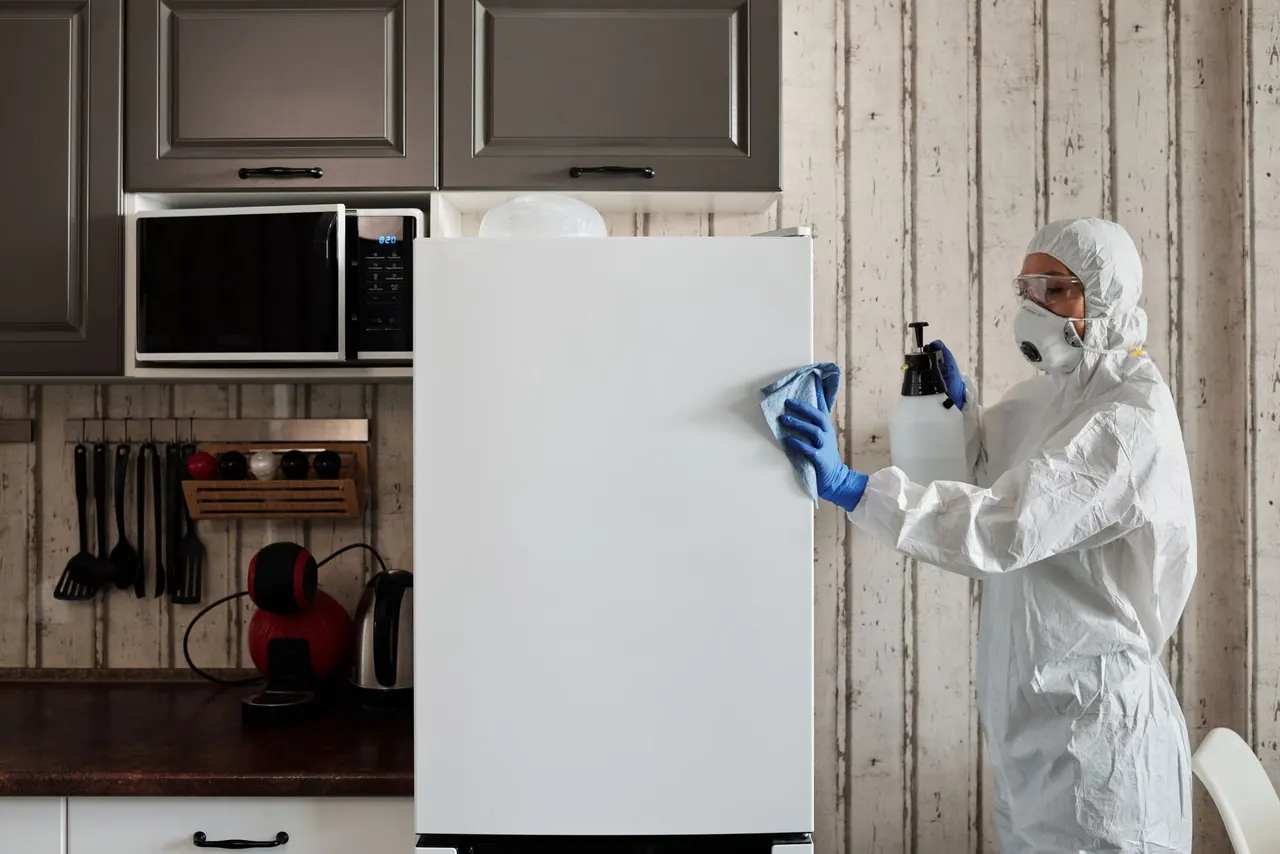 Water path checkBin and chute scrubCoil cleaning
Every cleaning covers the full water path and the parts that touch your ice. If we find a failed part during the job, we quote it separately before we touch it, so there are no surprises on the invoice.
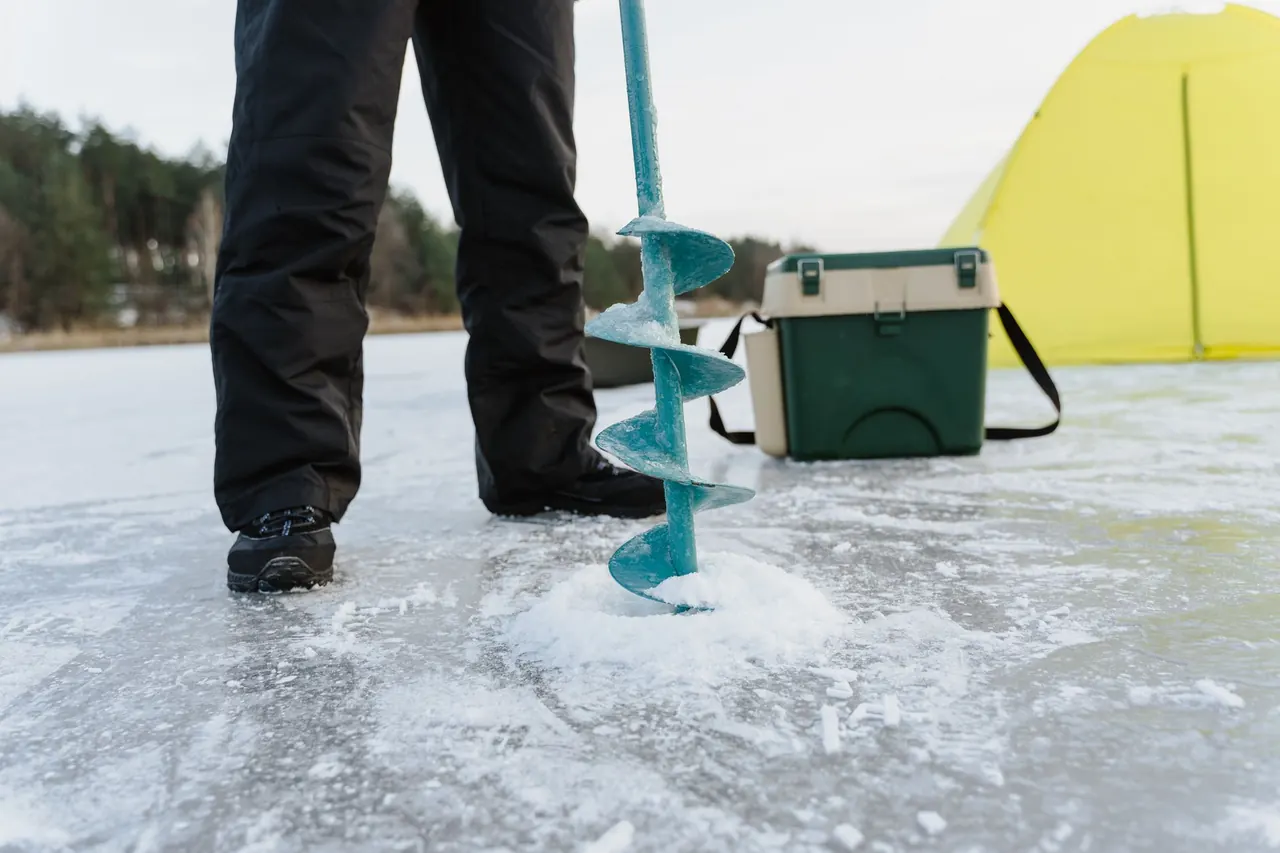
We sanitize the water line tubing, water inlet valve, ice maker mold, and ice bin with a food-safe product. Every surface the water touches gets treated. This is the step that kills mold and biofilm and stops the smell.
We clean the condenser coil with a coil cleaning pump and fin comb. A dirty coil is the top cause of slow ice and high power bills. Cleaning it drops compressor run time and extends machine life.
The ice bin and dispenser chute are where mold hides. We pull the bin, scrub the walls and drain, clear the chute, and check the crusher blade. This is the part most owners never see and never clean.
We flush the drain pump and drain line so no standing water sits in the sump. Standing water grows mold in days in Naples humidity. A clean drain keeps the whole machine fresher between visits.
After sanitizing, we run two fresh-water rinse cycles and dump the first batch of ice. You do not serve residue. We confirm the ice is clear and the machine is cycling normally before we leave.
You get a written record of what we cleaned, what we found, and what to watch. If we spotted a worn water inlet valve or a thermostat drifting out of range, it is on the sheet. That record helps you plan the next visit.
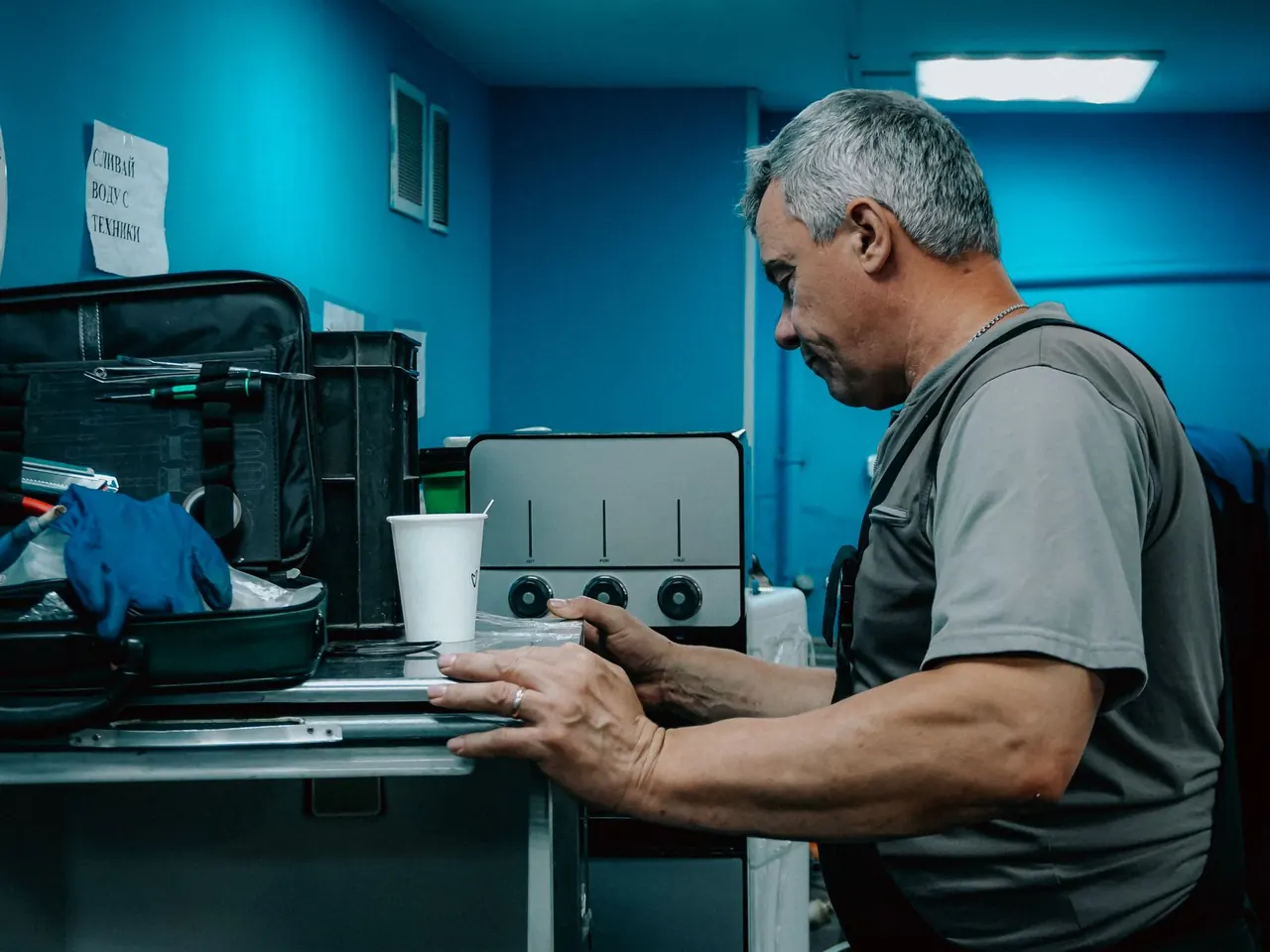
The approach is the same for a home and a business. What changes is the access, the schedule and who needs the paperwork.
Home ice makers sit unused for weeks and grow mold in the bin. We clean the water path and set a schedule that fits your household.
Bars, cafes, and hotels cannot run out of ice during service. We clean around your hours and keep production steady.
A plain-language look at what Ice Maker Cleaning and Sanitizing involves and when it is needed.
See how it worksIce Maker Cleaning and Sanitizing Naples FL is a deep-clean service that strips biofilm, mineral scale, and mold from the water path, evaporator, ice bin, and dispenser of your machine. We pull the ice maker mold and auger assembly where needed, scrub the water line tubing, and flush the drain pump with food-safe sanitizer. The job takes two to four hours depending on machine size and how long it has been since the last cleaning. Every visit ends with a clear-water rinse cycle and a first-batch ice dump so you are not serving residue.
Naples ice makers work hard. The humidity here sits above 70 percent most of the year, and that warm, wet air feeds mold inside ice bins and dispenser chutes. Add Collier County's mineral-heavy water and you get scale on the condenser coil and thermostat probes that makes the machine run longer and hotter. We see ice maker leaking water and ice maker noisy operation on units that only needed a proper cleaning months earlier. If you have been searching for ice maker cleaning near me, we cover the whole county.
A clean water path is what separates clear ice from smelly ice.
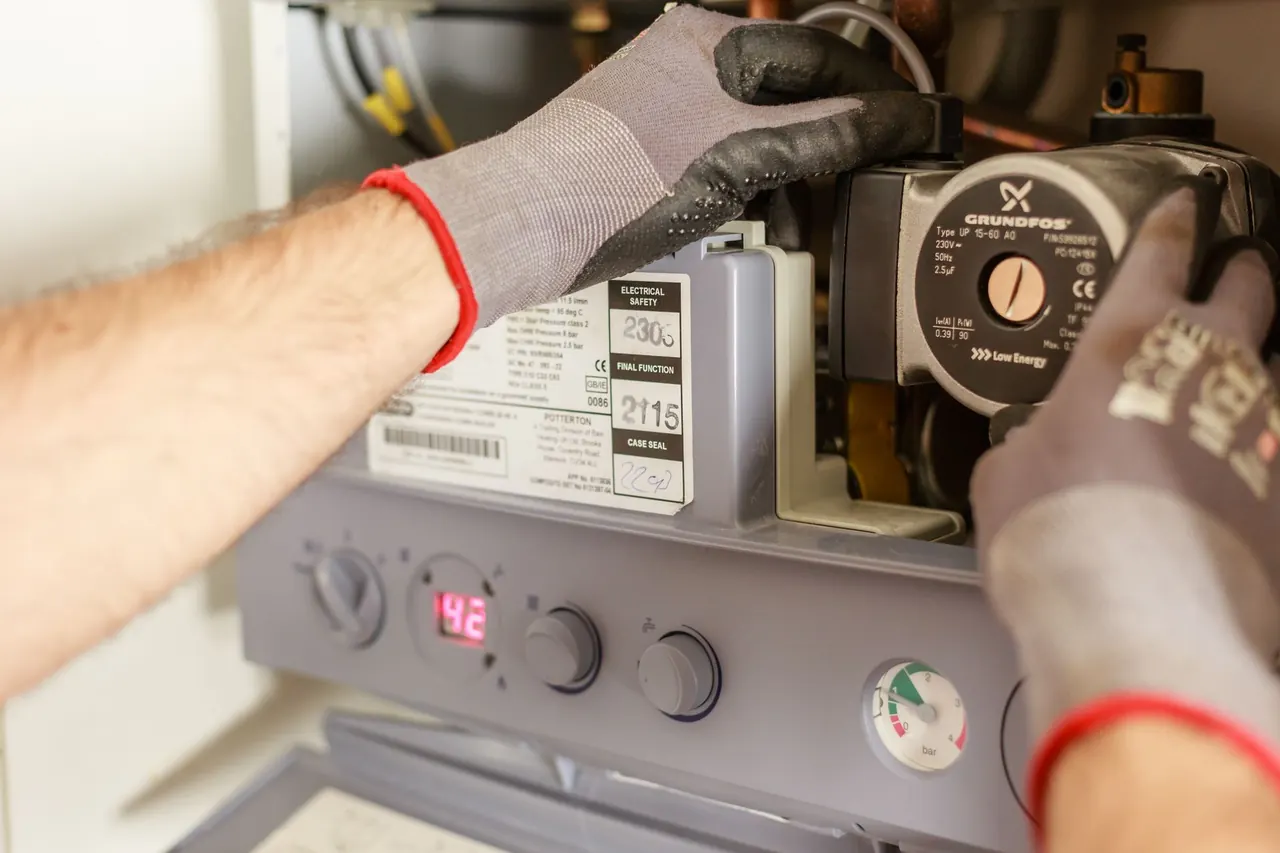
Every job follows the same five steps. You know what we are doing, how long it takes, and what the machine will look like when we leave.
We shut off the water supply and power, then pull the ice bin and inspect the evaporator, water inlet valve, and drain pump. We check for ice maker leaking water, cracked water line tubing, and scale on the thermostat probe. This takes 15 to 20 minutes and tells us whether the job is a standard clean or needs parts.

We remove the ice maker mold, auger, crusher blade, and dispenser chute where the model allows. Every surface gets scrubbed with a food-safe cleaner and a fin comb works through the condenser coil. We use an inspection mirror to check the back of the ice bin and the drain pan, spots most owners never see.

We run a food-safe sanitizer through the water line tubing, inlet valve, and ice bin, then let it dwell for the full contact time on the label. The drain pump gets flushed separately so no sanitizer sits in the sump. This is the step that kills the mold and biofilm that cause odor and slime.
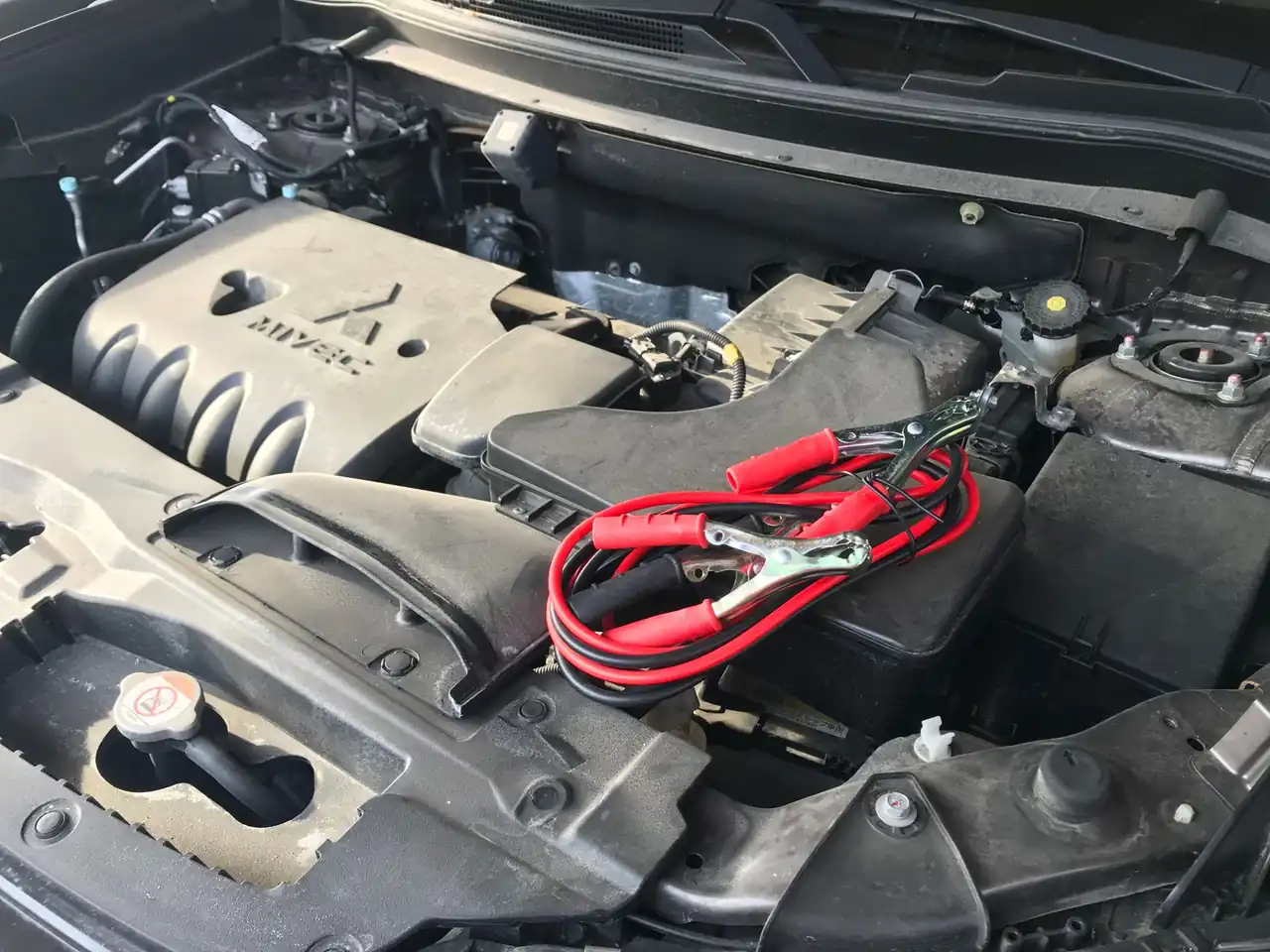
We flush the system with fresh water for two full cycles, then run the machine and dump the first batch of ice. We check the thermostat, watch the auger motor amp draw, and confirm the machine reaches its target ice thickness. If the control board throws an error code, we read it before we button the unit back up.
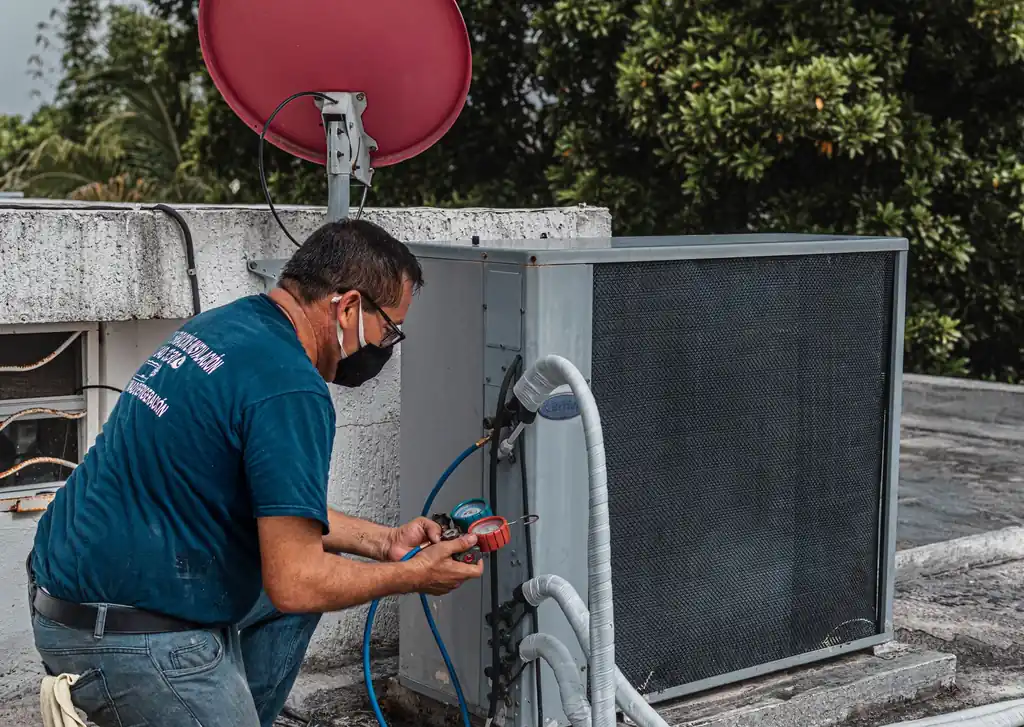
We put the machine back together, restore water and power, and run one more cycle while you watch. You get a written record of what we cleaned, what we found, and what to watch. If we spotted a worn water inlet valve or a thermostat drifting out of range, we tell you now, not after it fails.

Move across a circle, or focus it and press Enter, for an illustrative thermal view of the photograph.

We use a fin comb to straighten bent condenser fins and a coil cleaning pump to push cleaner through the coil. This restores airflow and drops compressor run time.

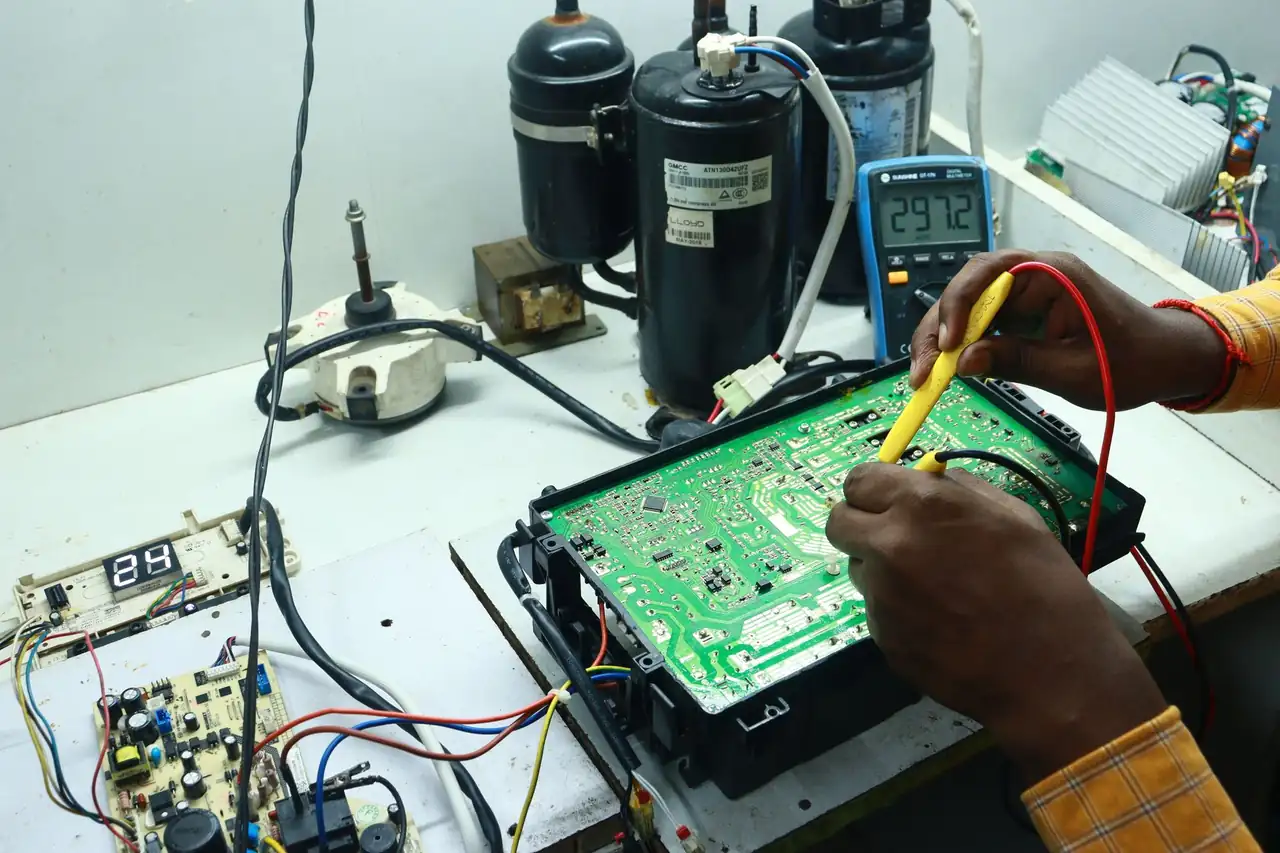
A multimeter tests the thermostat, control board, and auger motor. A manifold gauge set reads refrigerant pressures if we suspect compressor failure. Both stay on the truck.

An inspection mirror lets us see the back of the ice bin and the drain pan. The nut driver set handles the panel screws on Whirlpool, GE, Samsung, and LG units without stripping heads.

We use a leak detector on the water line tubing and inlet valve after every cleaning. Catching a slow leak now prevents a cabinet floor repair later.

We use EPA-registered, food-safe products on every surface that touches ice. We follow the label dwell time and rinse with two fresh-water cycles. No bleach, no residue.
Thermal views are illustrative, generated from the photographs.
We stock common ice maker water filters for major brands. Replacing a spent filter during the cleaning keeps sediment and chlorine out of the water path.
That matters if a cleaning reveals a compressor or refrigerant issue. We do not cut corners on the sealed system.
We apply sanitizer to the water line tubing, inlet valve, ice bin, and dispenser, then let it dwell for the full label contact time. Two fresh-water rinse cycles follow. This is the protocol that kills biofilm, not just the visible slime.
That means correct torque, correct cleaners, and correct reassembly.
When we test a thermostat or read a control board error code, we are using a standard method, not a guess. You get a real diagnosis.

A Pelican Bay homeowner notices their Sub-Zero ice maker smells musty and the ice looks cloudy.
We pull the bin, scrub the evaporator and mold, sanitize the water line tubing and inlet valve, and clean the condenser coil. The whole job takes about two and a half hours.
Outcome: The smell is gone, the ice is clear, and the machine runs quieter. We set a six-month reminder so it does not come back.
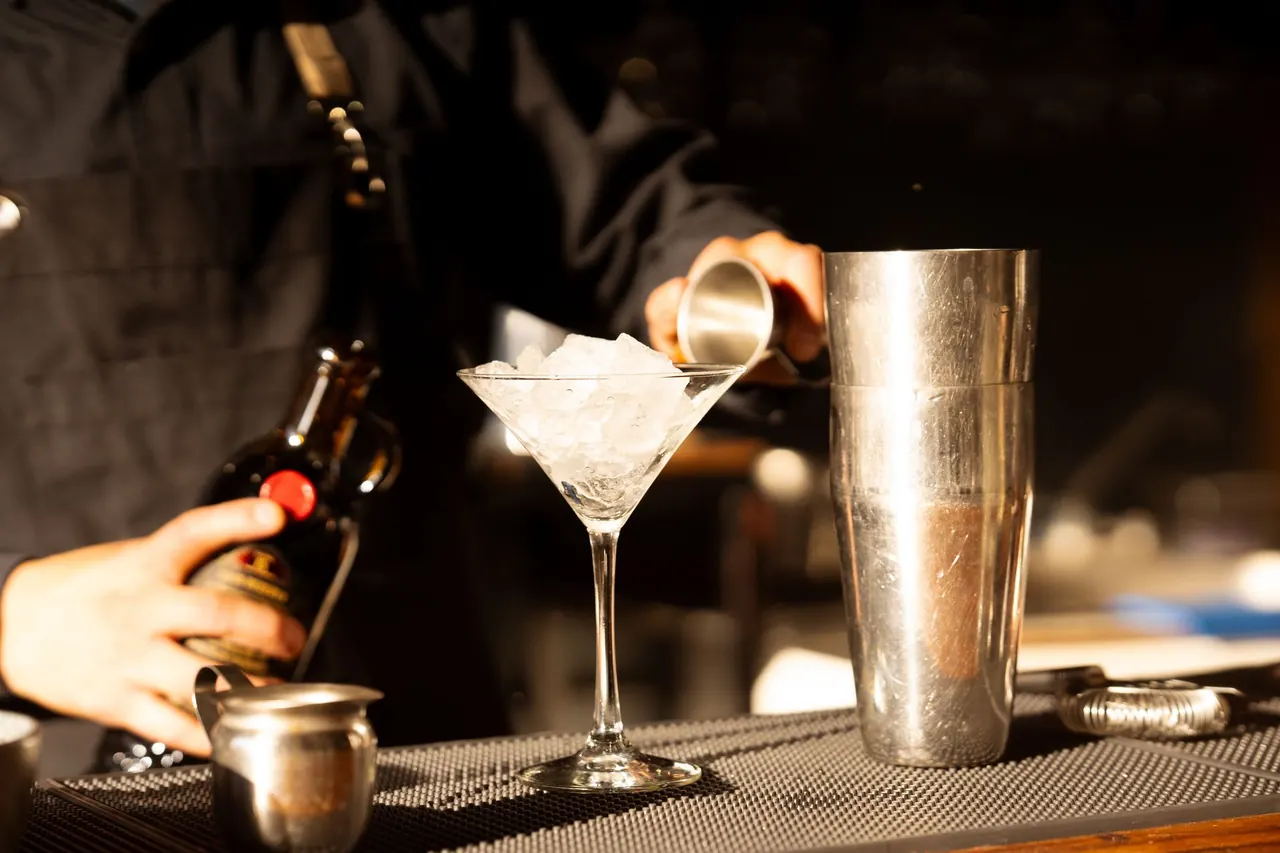
A Fifth Avenue South bar is losing ice production on a Friday before a busy weekend.
We book a same-day commercial cleaning, sanitize the 900-pound Manitowoc head, clean the condenser coil, and replace a worn water inlet valve. We work before the lunch rush.
Outcome: Production is back to full by noon. The bar never ran out of ice over the weekend, and the owner books us on a four-month schedule.

A property manager in Park Shore has six rental units with ice makers and no maintenance plan.
We clean and sanitize all six units over two visits, replace the ice maker water filters, and set a four-month rotation. Each visit gets logged with photos.
Outcome: Tenant complaints about smelly ice drop to zero. The manager has a paper trail for every unit and a predictable annual cost.
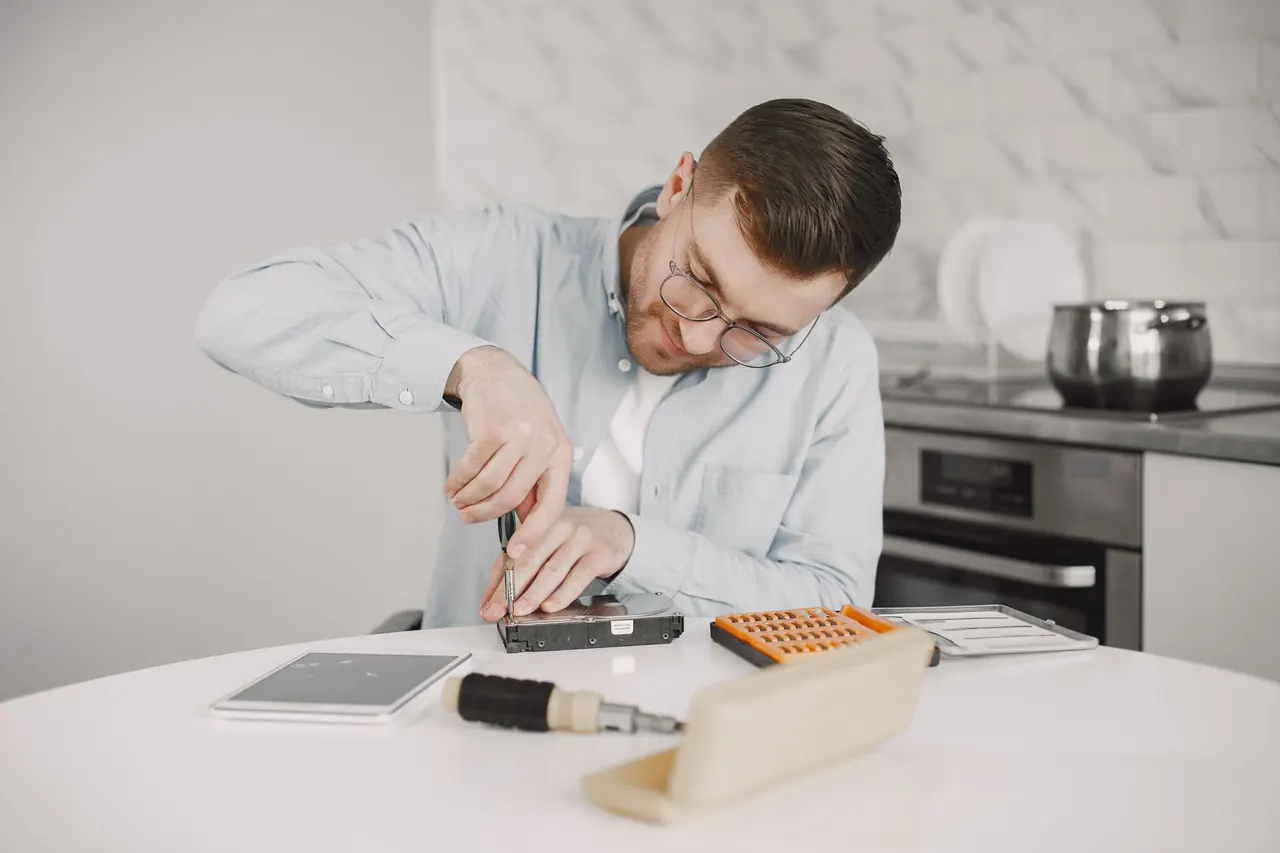
A Vanderbilt Beach vacation rental sits empty for months and the ice maker grows mold in the bin.
We do a deep clean and sanitizing before the season starts, flush the drain pump, and run a full cycle. We also check the water line tubing for cracks from sitting dry.
Outcome: The unit is guest-ready with clean ice. The owner adds a pre-season cleaning to the turnover checklist.
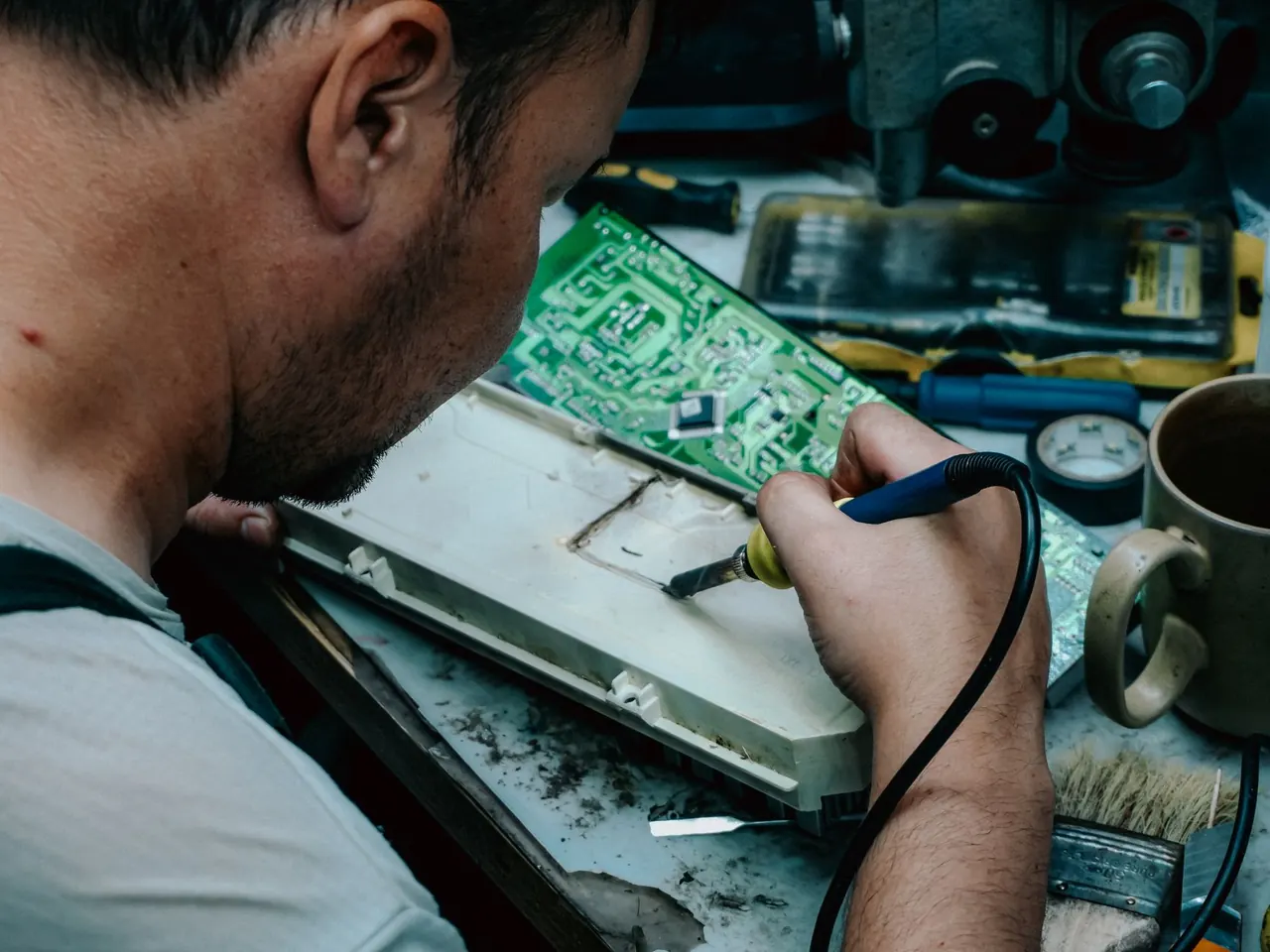
A Golden Gate cafe has an ice maker that leaks a small puddle every afternoon.
We trace the leak to a scaled water inlet valve and a partially clogged drain pump. We replace the valve, flush the drain, and dry the cabinet floor.
Outcome: The puddle is gone, the floor stays dry, and the machine produces ice normally. The fix took under two hours.
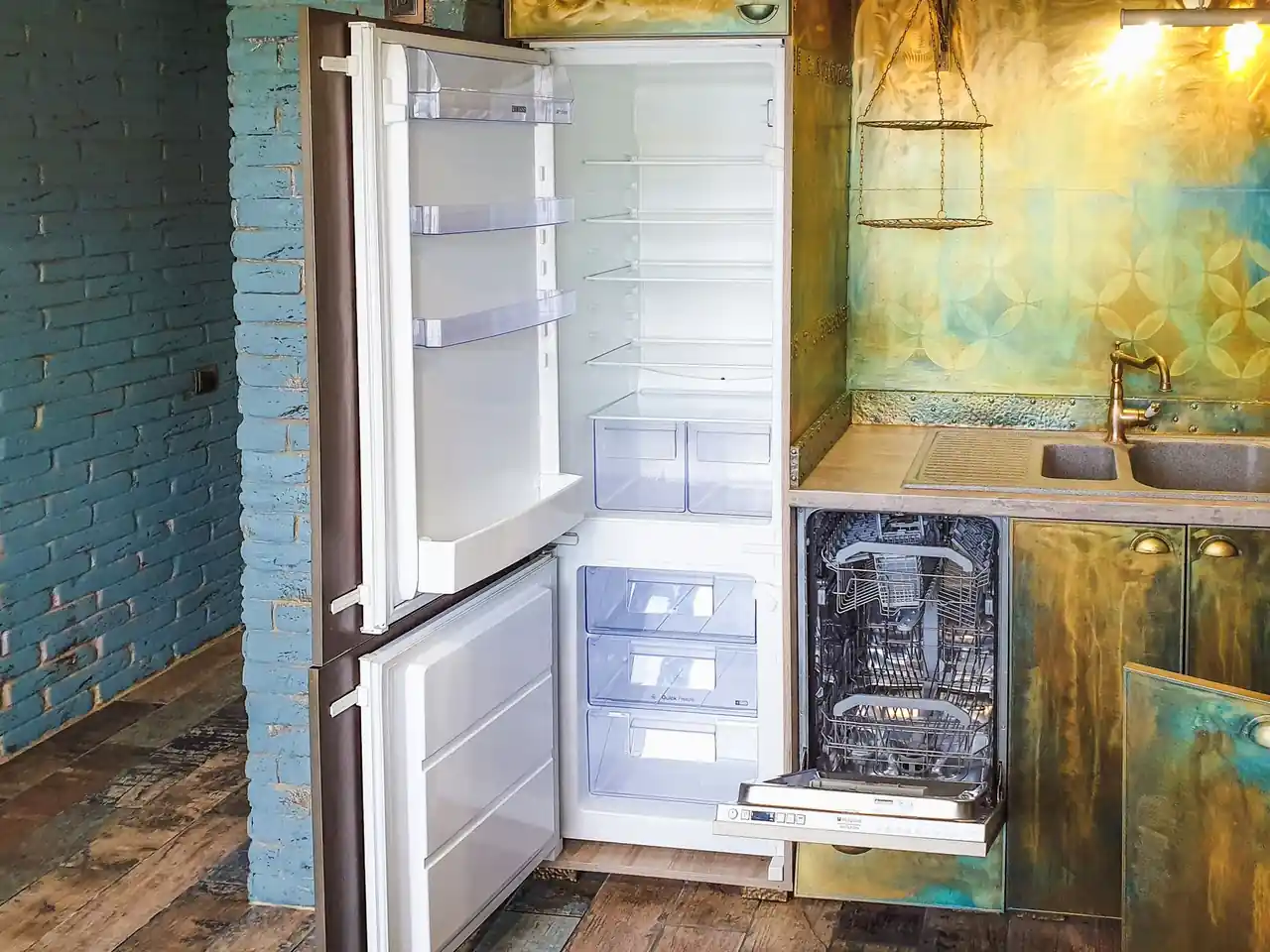
Naples is hard on ice machines. Relative humidity sits above 70 percent most of the year, and that warm, wet air feeds mold inside ice bins and dispenser chutes. The water here is mineral-heavy, so scale builds on the condenser coil, thermostat probes, and water inlet valve faster than in cooler markets.
We adjust our cleaning schedule for that: residential machines every six months, commercial machines every three to four months. Most of our work is in Collier County, from high-rise condos in Pelican Bay to restaurants on Fifth Avenue South and Third Street South. In season, when snowbirds return and rental units fill up, we see a spike in ice maker not making ice calls because machines sat unused for months.
If you need ice maker cleaning and sanitizing in Naples FL near me, we cover ZIP codes 34102, 34103, and 34105 daily, and the rest of the county on the same schedule.

Before: A homeowner called about musty-smelling ice and cloudy cubes. The machine had not been cleaned in over two years. We found black biofilm in the ice bin, scale on the evaporator, and a partially clogged water line tubing.
After: We pulled the bin, scrubbed the evaporator and mold, sanitized the water path, and cleaned the condenser coil. The ice came out clear and odor-free on the first batch. The machine ran 12 degrees cooler on the condenser side.
We set a six-month cleaning reminder and replaced the ice maker water filter. The homeowner now books us every spring and fall.
Before: A 900-pound Manitowoc was producing soft, cloudy ice and losing about 20 percent of its output. The condenser coil was packed with lint and grease, and the water inlet valve was scaled shut.
After: We cleaned the coil with a coil cleaning pump and fin comb, replaced the water inlet valve, and sanitized the bin and dispenser. Production returned to full within one cycle. The bar stopped buying bagged ice.
We put the bar on a four-month commercial cleaning schedule and check the drain pump each visit. No production issues since.
Before: A property manager had six units with ice makers that sat empty for months. Three had mold in the bin and one had a cracked water line tubing that leaked onto the cabinet floor.
After: We cleaned and sanitized all six units, replaced the cracked line and two water filters, and flushed every drain pump. Tenant complaints about smelly ice dropped to zero.
We set a four-month rotation with photo logs for each unit. The manager now has a predictable annual cost and a paper trail.
Most ice maker problems in Naples start small and get expensive. Here are the ones we see most, and how we fix them before they cost you a machine.
Clean ice, lower run time, and fewer breakdowns on your machine.
Biofilm and scale are what give ice that stale, chemical, or dirt-like taste. We strip the water path from the inlet valve through the ice bin and sanitize every surface the water touches. Most customers tell us the difference is obvious on the first batch. For restaurants and bars, that is the difference between ice customers finish and ice they leave in the glass.
A dirty condenser coil makes the compressor work harder to reject heat. On a typical undercounter unit in Naples, a fouled coil can add 10 to 15 percent to run time. We clean the coil, check the thermostat calibration, and clear the drain pump so the machine cycles normally. You get the same ice output with less compressor strain.
Most ice maker not making ice calls we run in Naples trace back to a clogged water line, a scaled inlet valve, or a dirty condenser coil, not a failed compressor. Cleaning and sanitizing on a regular schedule prevents those failures. We also catch worn auger motor bushings and cracked water line tubing before they turn into a mid-service breakdown.
Commercial ice machines in Naples often run 12 to 16 hours a day. Scale and biofilm shorten that life by forcing the compressor, auger motor, and control board to work in worse conditions. That is real money back in your pocket.
What a written scope covers and what shapes it. Prices are set by the business after the first look.
Included
Depends on
Clear records you can keep and share.

What we cleaned and found
Before and after shots
Any worn parts we spotted
Recommended cleaning interval
Cleaning removes what you can see. Sanitizing kills what you cannot. You need both.
Removes visible scale and slime
Kills biofilm in the lines
Keeps the machine running cool
A list like this tells people straight away whether you cover their street. Not listed? Call and ask: it only takes a minute.
Based in naples and covering the places around it. Pick one for local details.
Heavy scale, mold in the bin, or a machine that has not been cleaned in over a year pushes the price up. We quote the job before we start, so you know the number. Call +12393129157 for a same-day estimate.
IceTech Repair Experts offers ice maker sanitizing Naples wide, from Downtown Naples to Vanderbilt Beach. We handle both residential and commercial machines. One call books the visit.
Residential ice makers in Naples should be cleaned and sanitized every six months. Commercial machines need it every three to four months because they run longer and the humid air feeds mold faster. If your ice smells or tastes off, do not wait for the calendar. Book a cleaning now and we will set you up on a maintenance schedule.
Yes. We clean and sanitize commercial ice machines up to 1,200-pound capacity, including Scotsman, Manitowoc, Hoshizaki, and Ice-O-Matic heads. We work around your service hours so you are not without ice during a rush. Most commercial cleanings take three to four hours. Call +12393129157 to schedule.
Other services from the same team.
One call gets you a same-day slot, a food-safe deep clean, and ice you are not embarrassed to serve. Call +12393129157 now.
Call +12393129157 or email info@icetechrepairexperts.com to book your ice maker repair. Our dispatch team answers calls from 8 a.m. to 6 p.m. Tell us your brand, symptom and ZIP code, and we will give you a realistic arrival window.